Thinking about painting the inside of your home? Maybe you’re wondering what it’s really like to have a crew of interior painters show up and start transforming your space. If you’re new to this, you might feel unsure or even a little overwhelmed. But don’t worry—we’ve got you covered. This article will walk you through exactly what to expect. Whether you’re prepping one room or your whole house, understanding home interior painting expectations makes everything go smoother.
Key Takeaways:
- Understand what professional interior painters actually do.
- Learn how to prep your home for painting.
- Get a clear idea of the timeline and steps involved.
- Know what happens after the painting is done.
First Things First: The Estimate and Walkthrough
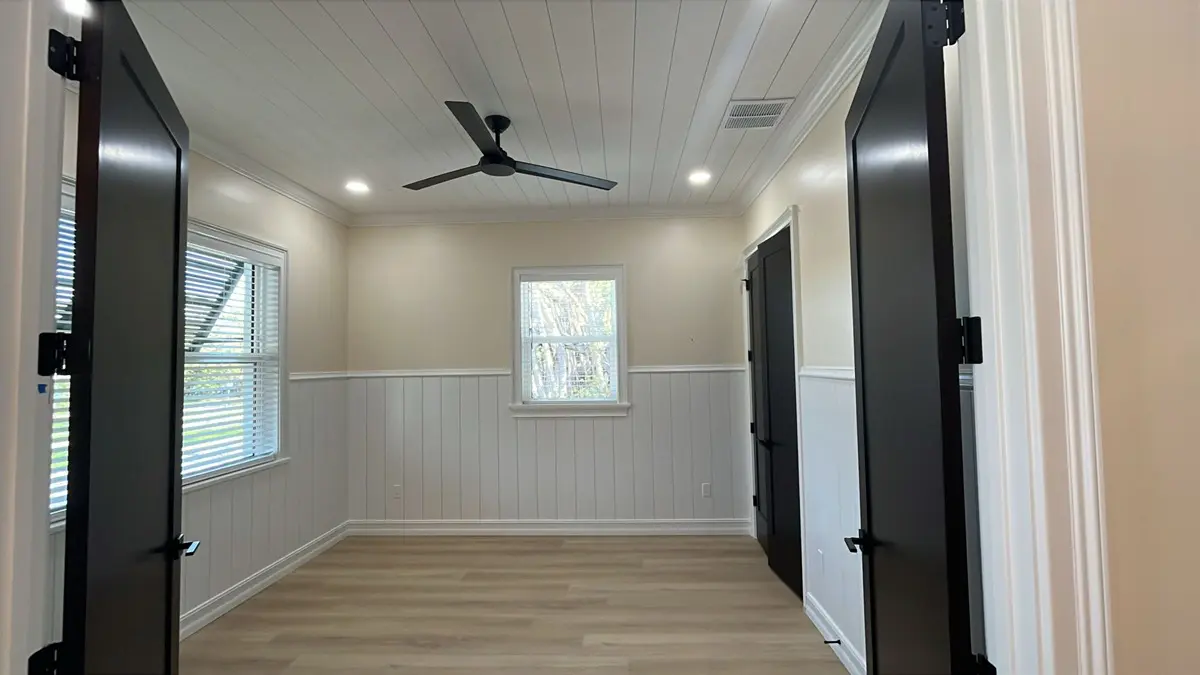
Before any paint is cracked open, you’ll get a professional walkthrough. This usually includes:
- Measuring the space: Accurate measurements help determine how much paint is needed and identify any unusual features that may require special attention.
- Evaluating the walls and ceilings: Painters check for cracks, stains, or repairs needed before painting begins to ensure a smooth final result.
- Discussing color options and finishes: You’ll talk through your style preferences and how different paint finishes (like matte, eggshell, or satin) work best in various rooms.
- Reviewing your goals and timeline: This is the time to align on expectations—what you want out of the project and when you’d like it completed.
Most companies will send a detailed estimate within 24–48 hours. It covers labor, paint, materials, and any necessary repairs.
Prepping Your Space: What You Need to Do
Interior painters will handle most of the prep, but there are a few things you can do to help:
- Remove fragile or valuable items: Safely pack away any breakables, electronics, or sentimental belongings that could be damaged during the project.
- Take down wall art and curtains: Clear the walls of any decorations, artwork, and window treatments to give painters unobstructed access.
- Move smaller furniture items: Relocate chairs, side tables, or lamps to the center of the room or another space to prevent them from getting in the way.
- Make arrangements for pets and children: Ensure pets and kids are kept safely away from the work area to avoid accidents and interruptions.
This prep work helps the painters work more efficiently and protects your belongings.
The Painting Process Step-by-Step
Here’s a typical process to help manage your home interior painting expectations:
- Arrival and Setup: Painters arrive on time with all the essential tools for the job—drop cloths to protect your floors and furniture, ladders for hard-to-reach areas, and a variety of brushes, rollers, and sprayers tailored to the surfaces being painted. They’ll also organize their workspace efficiently, making sure everything is in place before getting started.
- Surface Preparation: They patch holes, sand rough spots, and sometimes prime walls to ensure a smooth, even surface for the paint to adhere to. This step is crucial for long-lasting results, as it helps eliminate imperfections and improves the overall finish of the job.
- Painting Begins: Usually, they start with cutting in edges, carefully painting along corners, trim, and ceilings for clean lines. Once the detailed edge work is complete, they move on to rolling paint over the larger wall areas using even strokes to ensure a smooth, uniform finish. This method helps create a polished, professional look with consistent color coverage.
- Dry Time and Second Coats: Depending on paint type and humidity, this can take a few hours. Water-based paints generally dry faster than oil-based ones, and well-ventilated rooms help speed up the process. After the first coat dries, painters will inspect the coverage and apply a second coat if needed for a flawless, even finish.
- Final Touches: Painters inspect the work closely to ensure every surface meets quality standards. They address any missed spots or uneven areas with touch-ups, then thoroughly clean up the space—removing drop cloths, collecting tools, and vacuuming or sweeping where necessary to leave your home spotless.
Most interior projects take 1–3 days, depending on size and complexity.
After the Paint Dries: Final Walkthrough and Cleanup
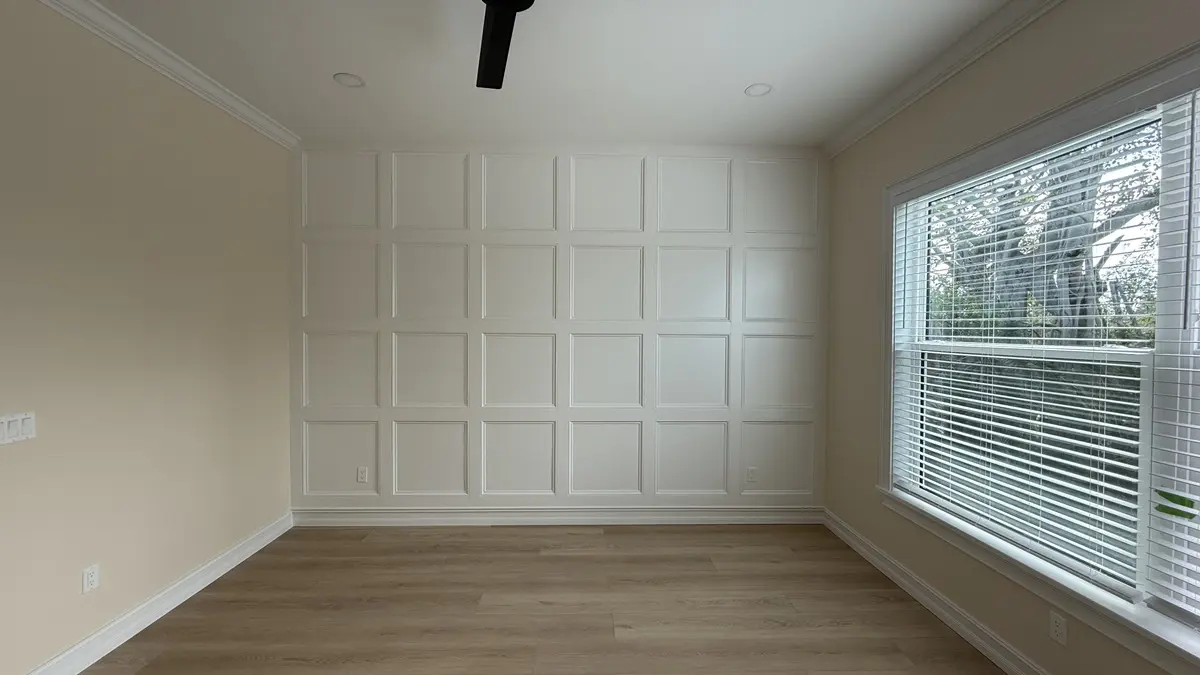
When the painting’s done, the crew will:
- Clean up the space
- Reinstall outlet covers and hardware
- Walk you through the results
- Tweak any spots you’re not 100% happy with
Some companies also offer a limited warranty or satisfaction guarantee—be sure to ask about this.
Common Questions from Homeowners
How do I know which colors to choose?
Many painters offer color consultations or can refer you to a designer.
Do I have to leave the house while they paint?
Not always. For smaller jobs, you can stay in the home—just avoid the painting area.
Will the smell be strong?
Most modern paints are low-VOC, so the odor is minimal and fades quickly.
Is it safe to stay in the house while painting is happening?
Yes, in most cases. For small projects or low-VOC paint, it’s usually fine to remain at home—just avoid the painted areas to minimize exposure.
Your Home Deserves a Fresh Look
If you’ve been putting off painting your interiors, now’s the time to go for it. A fresh coat of paint can totally change the feel of your home—and make it feel brand new. With the right team of interior painters, the whole experience can be smooth and even enjoyable.
Want a professional painting team you can trust? Call AA Total Painting at 813-590-1337 to schedule your free estimate. We’re here to help you every step of the way.