If you’re thinking about exterior house painting, don’t forget your garage door. In fact, it’s often the biggest single feature people see from the curb, and it plays a big role in your home’s first impression. Following a solid garage door maintenance guide will help keep your property looking sharp and protected from the elements. But how do you know when it’s time to grab that paintbrush (or call in the pros)? Let’s walk through the telltale signs.
Key Takeaways:
- Your garage door is a major part of your home’s curb appeal.
- Peeling, fading, or bubbling paint means it’s time for a refresh.
- Regular painting protects against weather damage and rust.
- A proper garage door maintenance guide helps you stay on top of upkeep.
- Ignoring paint issues can lead to bigger, more expensive repairs.
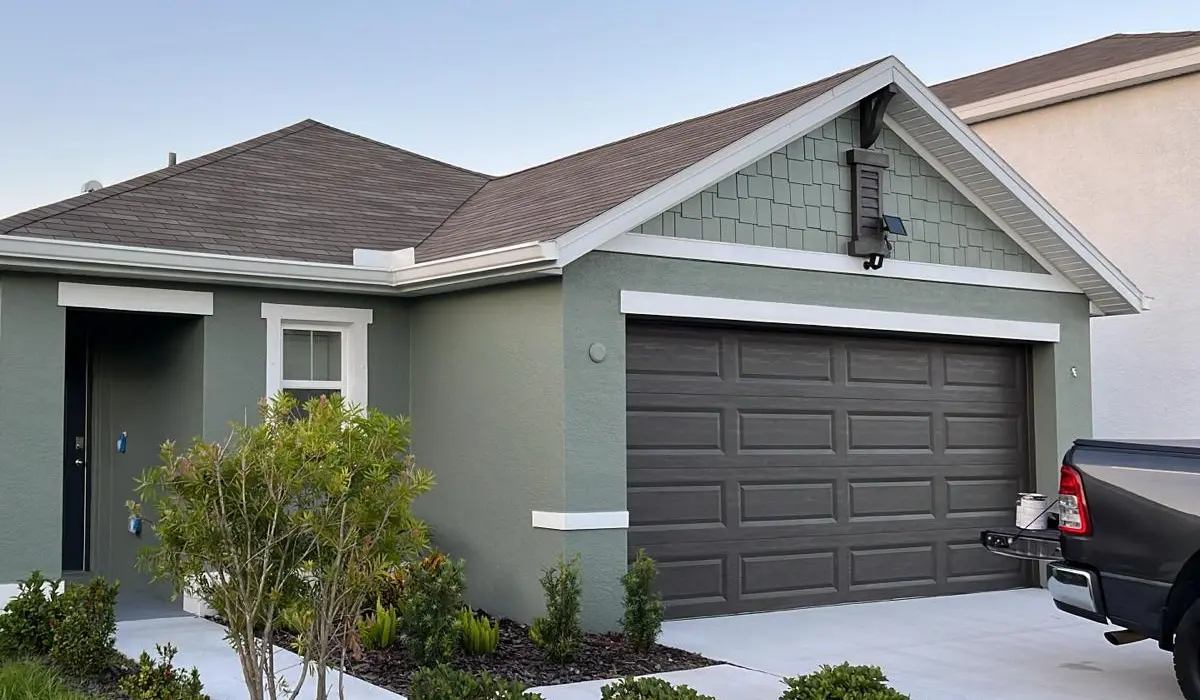
1. Fading Color
The sun is your garage door’s biggest frenemy. Day after day, UV rays slowly break down the paint pigments, weakening the coating’s ability to shield the material underneath. This constant exposure can leave the surface looking dull, washed out, and older than it really is.
If the door’s color has noticeably faded or no longer matches the trim or siding, that mismatch isn’t just cosmetic — it’s a clear signal that the paint’s protective barrier is wearing thin and needs to be renewed.
2. Peeling or Chipping Paint
Once the paint starts peeling, it’s no longer keeping out moisture, leaving your garage door vulnerable to the elements. Rainwater and humidity can seep into the surface, causing wood to swell and warp or metal to corrode and rust.
Over time, this can weaken the structure, affect the door’s movement, and even compromise insulation. Tackling peeling early with sanding, priming, and repainting not only restores the look but also stops small issues before they turn into costly repairs.
3. Bubbling or Blistering Surfaces
Bubbles form when moisture or heat gets trapped under the paint layer, often due to inadequate surface preparation or extreme weather conditions. These raised blisters not only look unsightly but signal that the bond between the paint and the door has broken down.
This is more than a cosmetic problem — it means the paint has failed, leaving the underlying surface vulnerable to water damage, rust, or wood rot if not addressed promptly.
4. Rust Spots or Corrosion
For metal doors, rust is the enemy, silently eating away at the surface if left unchecked. Those small orange or brown spots may look harmless at first, but they can quickly spread beneath the paint, weakening the metal and leading to structural damage.
Sanding away the rust and repainting promptly not only restores the door’s appearance but also seals and protects the metal, significantly extending its lifespan.
5. Cracked Paint Lines
Hairline cracks in paint may seem minor, but they act like open doors for moisture, dirt, and even insects to infiltrate the surface. Over time, these tiny fractures expand, causing sections of paint to lift and peel away.
If you notice cracks spreading across large areas, it’s a warning that the paint’s protective layer has been compromised and a fresh coat is overdue to prevent further deterioration.
6. Warped or Splintering Wood
If you have a wooden garage door, keep an eye out for warping, splinters, or soft spots in the wood. Unprotected wood acts like a sponge, absorbing rainwater or humidity and swelling in response. Over time, this can throw off the door’s alignment, make it harder to open and close, and even lead to cracks or rot that weaken its structure.
7. You’re Selling Soon
Even if your garage door looks “okay,” giving it a fresh coat of paint before putting your home on the market can be a strategic move that dramatically boosts curb appeal. Buyers form quick impressions based on exterior appearance, and the garage door—often one of the most visible and largest features—can set the tone for the entire property.
A clean, well-painted door signals that the home is cared for, which can increase perceived value and attract more serious offers.
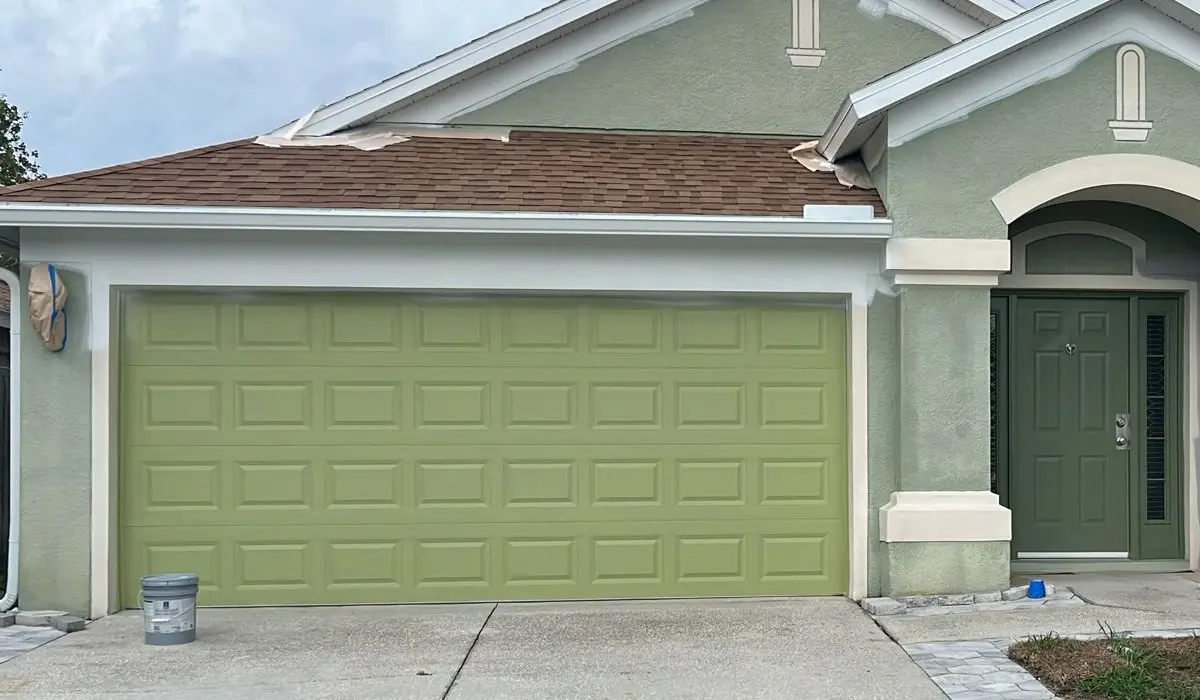
Following a Garage Door Maintenance Guide
A reliable garage door maintenance guide will suggest repainting every 3-5 years, depending on climate and sun exposure. In humid or coastal areas, you might need to do it more often to combat moisture and salt damage.
Quick tips:
- Wash your garage door at least twice a year to remove dirt, mildew, and any debris that can damage the finish. This simple cleaning keeps the paint looking fresh and prevents premature wear.
- Address chips or scratches immediately to stop moisture from seeping in and causing peeling or rust.
- Use high-quality exterior paints for durability, as they can withstand sun, rain, and temperature changes far better than bargain options.
- Check weatherstripping and hinges while you’re at it, ensuring the door seals properly and moves smoothly without strain on the hardware.
Why Fresh Paint Is More Than Cosmetic
Painting isn’t just about color — it’s about protection. A good paint job shields your garage door from sun, wind, rain, and snow. Skipping this upkeep can lead to rot, rust, or the need for full replacement.
If exterior house painting is already on your to-do list, schedule your garage door along with it. That way, all exterior elements will match in freshness and tone.
Looking to Refresh Your Garage Door?
A little attention now saves you from costly repairs later. If your garage door is showing any of these signs, it’s time to act. AA Total Painting specializes in exterior house painting and garage door maintenance, delivering results that boost your home’s curb appeal and durability.
Call us today at 813-590-1337 to get a free estimate and give your home the upgrade it deserves.