Noticing cracks, fading, or dingy walls lately? If you’ve been Googling for interior house painters, you might already be sensing it: your home could be due for a fresh coat of paint. Knowing exactly when to repaint interior walls isn’t always obvious, but ignoring the signs can lead to more work and cost down the road. Let’s break it down.
Key Takeaways:
- Interior paint doesn’t last forever—you may need to repaint every 5-10 years.
- Signs like peeling, fading, or outdated colors are cues it’s time to repaint.
- Paint condition affects your home’s value and how it feels to live in.
- Not all rooms need repainting at the same frequency.
- Hiring professional interior house painters saves time and ensures quality results.
1. The Paint Is Peeling, Cracking, or Bubbling
This is one of the most obvious signs your walls need attention. Peeling, cracked, or bubbling paint isn’t just an eyesore—it’s a signal that your wall’s surface might be compromised. This can result from a variety of issues such as excess humidity, poor surface preparation, or substandard paint quality. In some cases, water infiltration behind the walls could be to blame, especially in older homes or those with recent plumbing issues.
If left untreated, this damage can worsen, leading to mold, mildew, and structural problems. Pay special attention to bathrooms, kitchens, and basements—spaces where moisture is typically higher. Spotting these signs early can help you avoid expensive repairs and maintain a healthy indoor environment.
2. The Color Has Faded
Sunlight, especially in rooms with large windows or consistent exposure, gradually breaks down the chemical structure of paint, causing it to fade over time. This UV-related deterioration is more pronounced in darker colors, which tend to lose their richness more quickly. However, even lighter shades are not immune and will show signs of dullness and uneven tones eventually.
Fading can make a once-cozy, vibrant room feel tired and lifeless. If your walls look washed out and no longer reflect the energy or style of your home, it’s likely time for a refresh. A new coat of paint can restore brightness, redefine your space, and even improve your mood by enhancing your environment.
3. There Are Stains or Scuff Marks That Won’t Come Out
Kids, pets, and everyday life inevitably leave behind a trail of scuff marks, fingerprints, food splatters, and mysterious stains. Over time, these blemishes build up, especially in high-touch zones like around light switches, along baseboards, and near doorways. While regular cleaning might remove some surface-level grime, certain stains become deeply embedded or cause discoloration that even the toughest scrubbers can’t fix.
When your walls still look dingy after a thorough cleaning, it’s a clear sign that paint has worn past the point of restoration. Hallways, kitchens, and children’s rooms are the most common areas to show these signs early because of their constant use. Repainting these high-traffic spaces not only revives their appearance but also creates a cleaner, more inviting atmosphere in your home.
4. You Want to Update the Look
Maybe you painted a bold color trend five years ago and now it feels outdated—like that once-popular mustard yellow or deep burgundy that now clashes with your updated furniture and decor. Or perhaps you’re just ready for a fresh new vibe that reflects your current taste, lifestyle, or mood. Color trends evolve, and so do our personal preferences.
Repainting gives you a chance to modernize your space, experiment with new shades, and create an environment that feels more “you.” It’s one of the easiest and most affordable ways to transform your interior, allowing you to refresh the energy of a room without the cost or hassle of a full remodel.
5. The Paint Finish Looks Uneven or Dull
Paint finishes can wear unevenly, especially in rooms that experience frequent use, contact, or aggressive cleaning. Over time, friction from furniture, repeated wiping, or just daily activity can erode the topcoat, altering the original sheen. You might notice glossy spots appearing in an otherwise matte finish, or areas that look flat and lifeless where there was once a subtle sheen.
This shift in finish isn’t just cosmetic—it often signals that the protective layer of paint has broken down, making the surface more vulnerable to damage, staining, and further deterioration. Repainting helps restore consistency in both appearance and durability, ensuring your walls look polished and well-maintained.
6. It’s Been 5-10 Years Since the Last Paint Job
Even if your walls appear to be in decent shape, the age of the paint alone can warrant a refresh. Over time, paint loses its adhesion and protective properties, making it more susceptible to cracking, staining, and other signs of wear—even if they aren’t immediately visible. In moisture-heavy environments like bathrooms or kitchens, the degradation process is often accelerated due to consistent exposure to humidity, steam, and temperature fluctuations. This not only impacts aesthetics but can also compromise the wall surface underneath.
Repainting every 5-10 years is widely recommended by professionals to maintain both the beauty and integrity of your home’s interior surfaces. Routine repainting acts as preventive maintenance, helping to safeguard your walls from long-term damage.
7. Selling or Renting Your Home
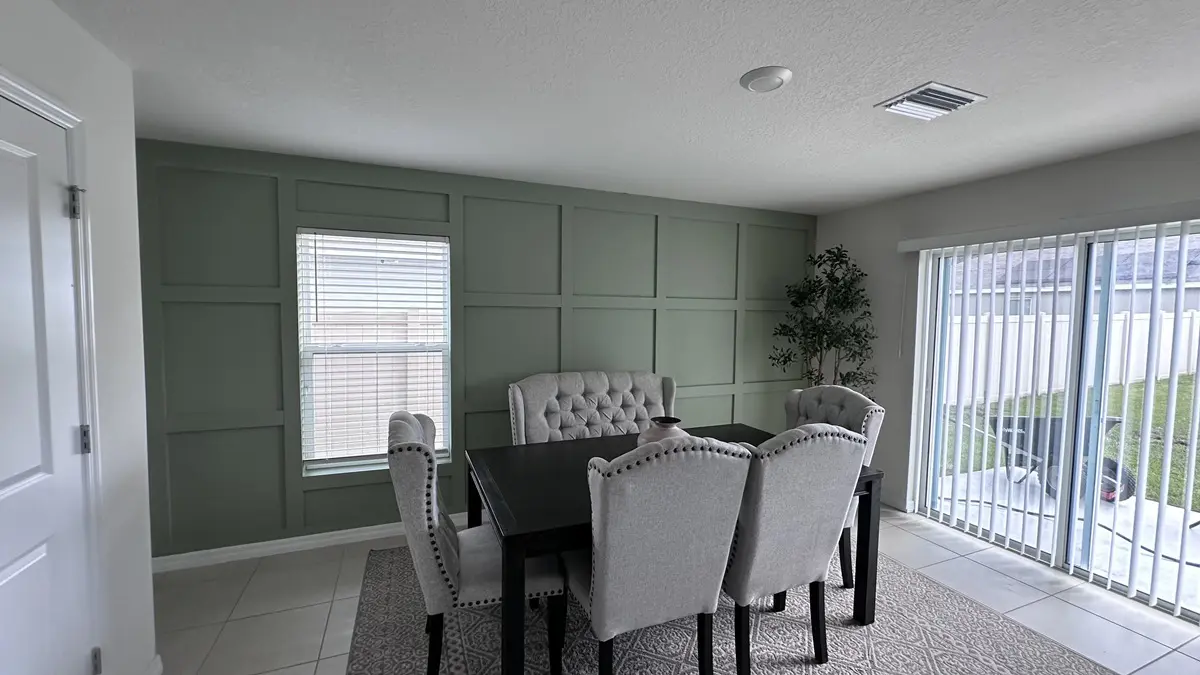
Thinking of putting your home on the market or renting it out? Freshly painted walls can significantly enhance your property’s appeal. First impressions matter, and a clean, modern paint job signals that the home is well-cared for, reducing the likelihood of concerns about maintenance.
Neutral, clean colors serve as a blank canvas, helping potential buyers or renters more easily imagine their own furniture and style in the space. This visual clarity can create a stronger emotional connection and lead to quicker offers. Repainting is a relatively low-cost investment compared to other renovations, yet it can dramatically boost your home’s perceived value and help it stand out in a competitive market.
8. Your Needs Have Changed
Maybe you’ve converted a guest room into a home office, or transformed a playroom into a fitness studio. As the function of a space changes, so should its aesthetics. The existing paint color might no longer suit the new purpose—perhaps it feels too playful for a focused work environment or too dark for a space meant to energize.
Even more, older paint might carry scuffs or visual distractions from its previous use. Repainting gives you the opportunity to align the room’s look with its updated role, creating a more intentional, cohesive, and functional atmosphere that supports your current lifestyle and needs.
Why Hire Interior House Painters?
Sure, DIY is tempting. But hiring professional interior house painters saves time and often gives better results. They handle the prep, the cleanup, and know which types of paint work best in different rooms. Plus, they can help you pick colors and finishes that suit your space and hold up well.
Final Thoughts: When to Repaint Interior Walls
Repainting your home’s interior isn’t just about style—it’s also about protecting your walls and maintaining your investment. If you’ve noticed any of the signs above, it might be time to call in the pros. A fresh coat of paint can completely change how your home looks and feels.
Ready for a refresh? Contact AA Total Painting today at 813-590-1337 to schedule a free estimate. Our team of experienced interior house painters will make your home feel brand new again.